Case Study: Successful Township Management Models in India
Townships in India are evolving into mini-cities, offering residents housing, workplaces, schools, shopping, and healthcare within a single integrated community. Managing such large ecosystems requires advanced facility management practices that balance infrastructure, sustainability, and community engagement.
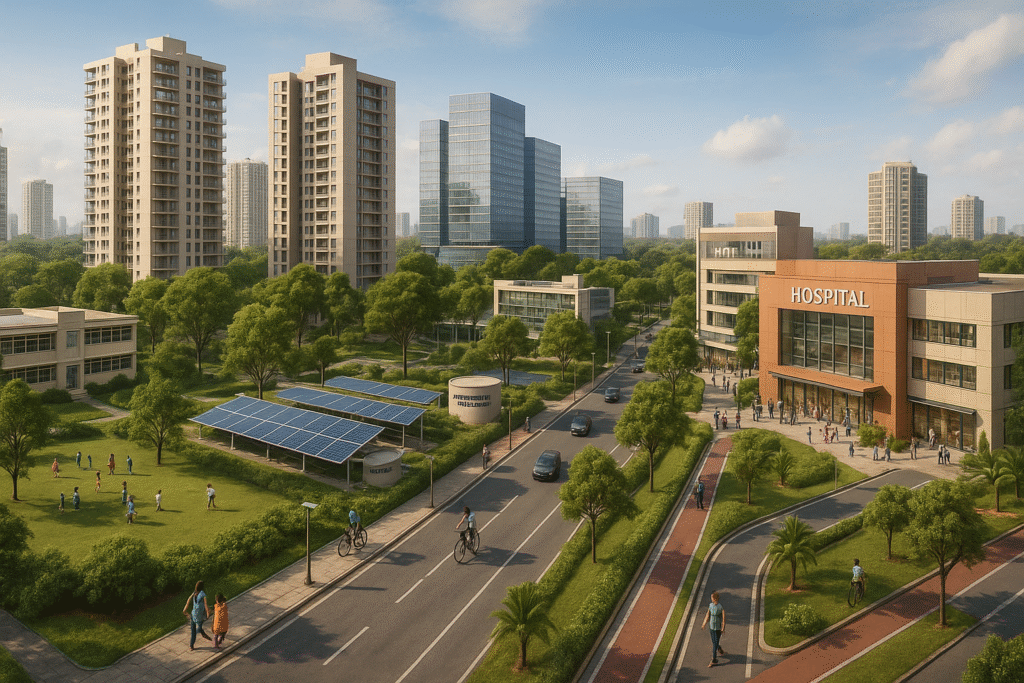
In this article, we’ll look at successful township management models in India and what facility managers can learn from them.
🔹 1. Magarpatta City, Pune
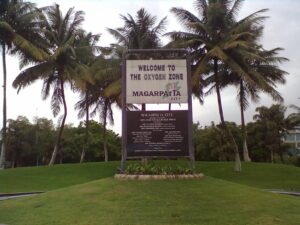
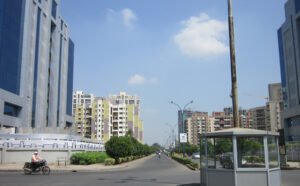

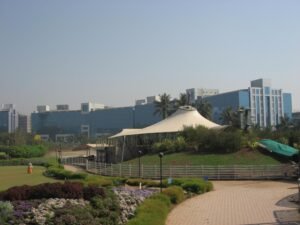
Model: Community-Owned Township
- Developed by local farmers who became stakeholders.
- Integrated IT parks, residential zones, schools, and hospitals.
- Strong emphasis on green initiatives – solar energy, rainwater harvesting, and extensive tree plantation.
- Lesson: Community participation builds trust and long-term sustainability.
🔹 2. Lavasa City, Maharashtra


Model: Smart City Concept
- Planned as a hill township with sustainable urban infrastructure.
- Centralized waste management and water recycling systems.
- Integrated governance with modern IT systems.
- Faced regulatory challenges, showing the importance of compliance.
- Lesson: Smart technology must be balanced with legal and environmental approvals.
🔹 3. Palava City by Lodha Group, Mumbai
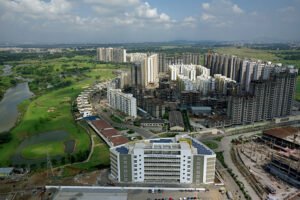

Model: Private Township with Smart Infrastructure
- Over 100,000 residents with schools, malls, offices, and open spaces.
- Smart infrastructure: app-based services, security, and transport.
- Focus on sustainable living with large-scale water recycling and energy management.
- Lesson: Private townships can create world-class living standards with integrated facility services.
🔹 4. Jaypee Greens, Greater Noida
Model: Luxury Integrated Township
- Residential towers, golf courses, malls, and healthcare facilities.
- High-end facility management with centralized Building Management Systems (BMS).
- Premium lifestyle amenities integrated with sustainability features.
- Lesson: Premium townships need facility services as a differentiator for brand positioning.
🔹 5. Hiranandani Gardens, Powai (Mumbai)
Model: Mixed-Use Township
- Combination of residential, retail, corporate offices, and schools.
- Strong emphasis on maintenance of public spaces—landscaping, roads, and utilities.
- Thriving community culture supported by events and social initiatives.
- Lesson: Balanced township management combines infrastructure with community engagement.
🔹 Key Takeaways for Facility Managers
- Community Engagement – Participation of residents improves accountability.
- Smart Technology – IoT and apps streamline utility and security management.
- Sustainability Focus – Green energy, water recycling, and waste segregation are essentials.
- Compliance & Governance – Long-term success depends on transparency and legal adherence.
- Customization – Every township has unique needs—luxury, affordability, or smart living.
✅ Conclusion
Successful township management in India is about more than just infrastructure—it’s about creating vibrant, self-sustaining communities. Facility managers must adopt a mix of technology, sustainability, and community participation to replicate these success stories and build future-ready townships.